The Mustard Seed
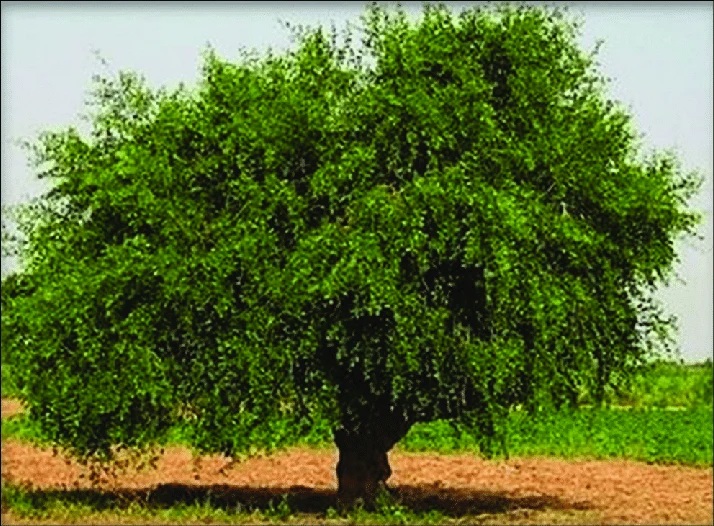
Today, I want to look at Jesus’ parable concerning the mustard seed. It is a representation of the Kingdom of God and its growth from something very small.
I’m going to start off by saying that Jesus’ language in the parables, and His teachings, used a lot of figurative language. The custom of the culture and teachers of the time was to speak in hyperbole; or so I have come to understand. So Jesus calling a mustard plant a tree, as well as Him saying that the mustard seed is the smallest seeds, is not to be taken absolutely literally.
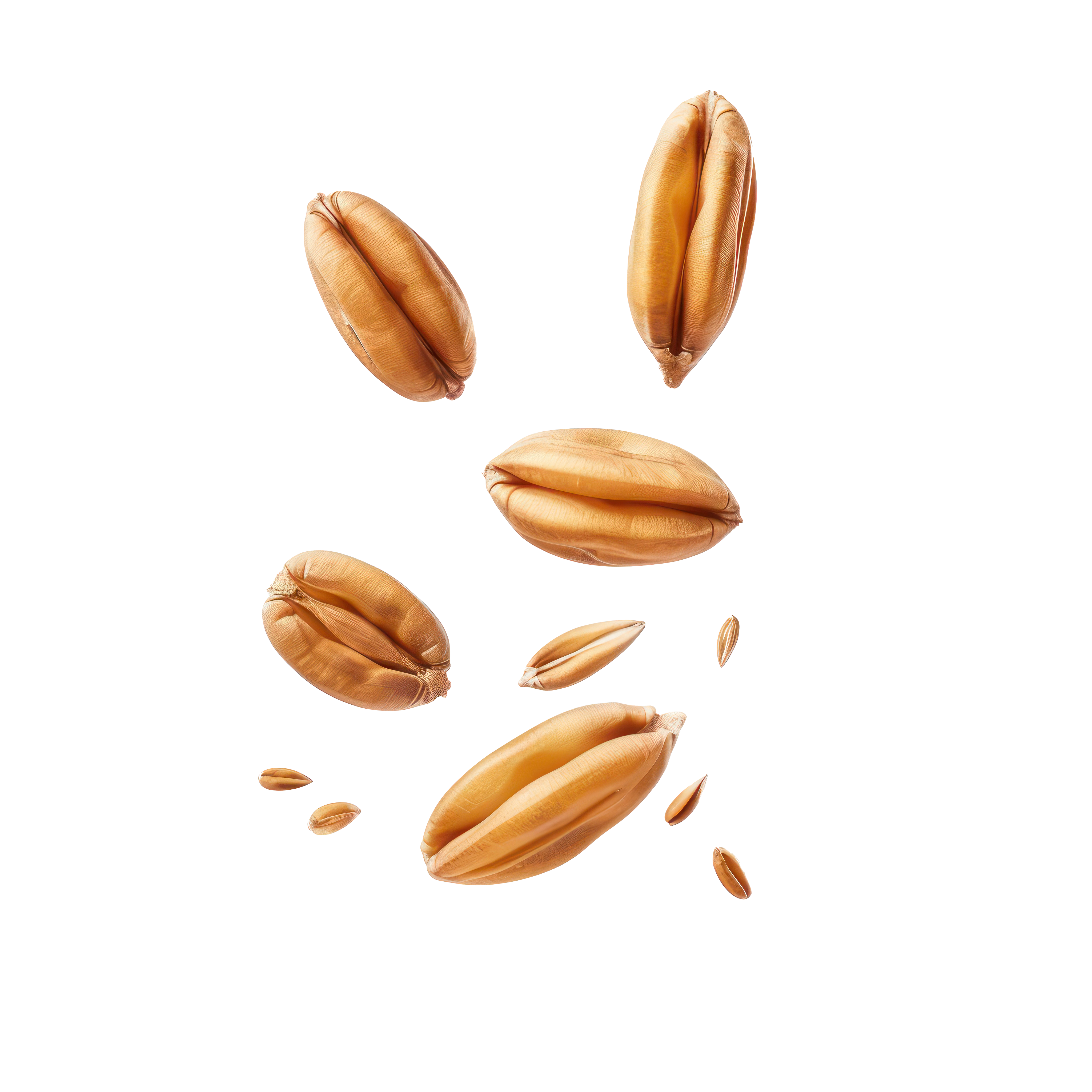
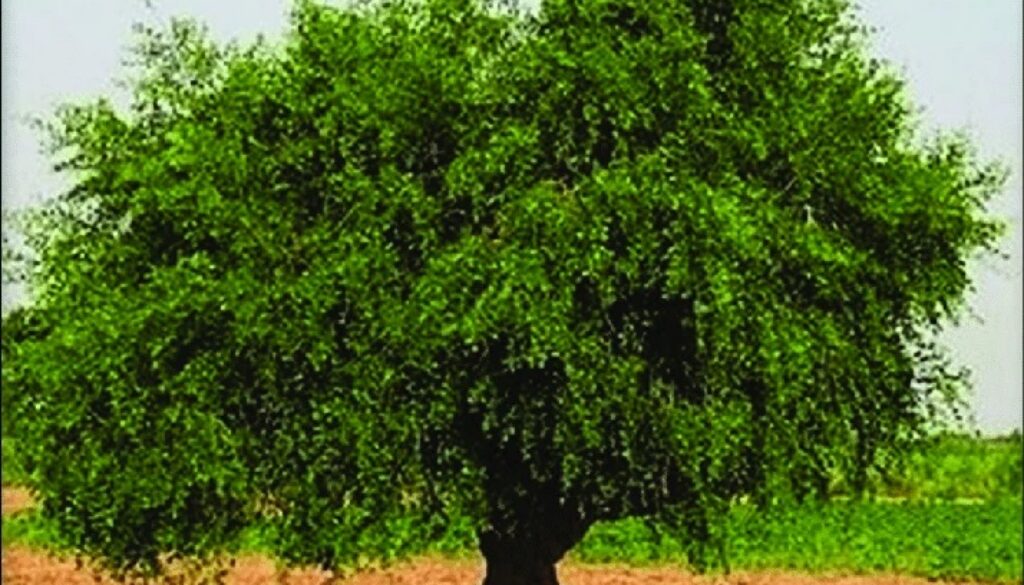
Yes. The mustard seed Jesus referred to is very small. It is 1 to 4 millimeters in size. Smaller than the head of a regular pencil eraser. But an orchid seed is microscopic, even in Jesus’ time. Also, the garden variety of what we call a mustard plant, does not grow into a tree. It is a shrub-like structure. However, the Salvadora persica shrub/tree, also known as a Toothbrush tree or a Mustard tree, can grow quite large. It can grow to more than twenty feet tall over its lifespan. The regular mustard plant lifespan is one year. The one Jesus is referring to can be decades old.
I know. I went down the rabbit hole again. Google loves me! And, yes, I looked very carefully for this information. No Wikipedia.
While I was searching, I found two different kinds of “mustard trees” that may fit the parable Jesus is sharing. Some believe Jesus was speaking of the “black mustard shrub”, while others reference the “toothbrush tree” as His instrument of comparison. I think both fit well for His analogy. I’m going to lay out their points and let you decide.
Brassica nigra, or black mustard, was the first plant that Google presented to me for comparison. The information from this plant and its survival in the desert of Israel is taken from the Jewish Virtual Library website.
Although not truly a “tree”, here are the highlights.
“Rapid Annual Growth: The plant germinates quickly with the first winter rains and shoots up rapidly, reaching heights of 6 to 12+ feet to form a woody, tree-like bush that overtakes open fields and roadsides.
Prolific Seed Production: It produces thousands of tiny seeds that scatter easily, ensuring the species returns densely every year across the Galilean hillsides, the Jordan Valley, and areas around the Sea of Galilee.
Seasonal Cycle Adaptation: It maximizes the wet winter moisture to flower and branch out, and then dries out completely when the dry, high heat of summer arrives.
High Resiliency: Considered an aggressive weed in local agriculture, its root systems and massive seed banks make it nearly impossible to eradicate permanently once established.”
Looking at these characteristics, I saw several things that relate to the Kingdom of God.
First, the rapid growth of Jesus’ popularity, and eventually the church, took the nation by storm. Jesus’ presence, His mission, and His sacrifice grew God’s plan immeasurably during the early years.
On the day of Pentecost, over 3,000 were reported to have chosen to follow Jesus. To accept His work on the cross for their own salvation. I call that pretty rapid growth. I would call this ‘the rainy season’, where the plant/church is making the most of the available resources.
The prolific ‘seed’ production is a natural outgrowth of the number of believers being reached during the early years. Those coming to Jesus were excited to share what they had received, creating even more opportunities for growth.
Seasonal cycle adaptation would equate to the earliest time, when the religious leaders were too shellshocked to respond quickly to the growing number of believers. They thought they had stopped Jesus’ work with His death. They also believed their lies about His resurrection would keep the disciples in check. That plan blew up in their faces. The slow response allowed the church to sink its roots deep. Jesus being the firm foundation of all they did and taught.
I LOVE the final point for this plant; high resiliency. Try as they might, NO ONE can kill the work of the Kingdom of God. The religious leaders tried to stop it, before and after Jesus’ earthly life. The harder they tried, the more it flourished. And it is still alive and growing today.
While thinking about these traits relating to Jesus’ time, I’m reminded that these same things held true from the beginning of time. They also show up loud and clear in the history of Israel as a nation.
When God spent time in the garden with Adam, a relationship was birthed in man. Even when Satan tricked Eve into sin, that relationship root survived. He couldn’t kill it. Those roots and fruits were passed on to those who followed. Adam’s stories kept his descendants hungry for that same kind of relationship.
By the time Noah was called into action, the relationship with mankind was in a scorching season. Only a single strand remained. But God used that root and rebuilt that longing. I imagine Noah’s descendants were telling stories of God’s hand for MANY generations, deepening that root structure.
That ‘taproot’ pointed directly at Abram and drew him into a new relationship with God. This relationship would follow the path of the other kind of “mustard tree” of the region. Let’s check out its growth patterns.
The Salvadora persica is slow growing. It still suffers the summer slowdown season, but it has green leathery leaves all year long. The seeds have to shed their fruit coverings before they can begin to grow. Abram didn’t begin his journey with the Lord until leaving his father in Haran.
This species is also most suited to the alkaline soil of the desert; the region of the dead sea. God brought Abram to the place suited for him to grow. And He watered him so Abram could sink his roots in DEEP. Once the roots are established, the plant is very hardy. It continues to thicken year after year, until it reaches the size of the tree Jesus spoke of.
Moses experience parallels this species of tree in a significant area. Once the roots are established, the plant can be cut back to ground level and STILL regrow. When God refused to allow the first generation to enter the Promised Land, it was a severe pruning. One that was certainly necessary. And when Israel’s kings refused to listen, God cut them back to the ground again.
Once the root was established, the plant continues to grow and regrow. This world, no matter how hard it tries, cannot kill the roots of God’s Kingdom. That root is firmly anchored in Jesus’ sacrifice, watered by His blood, and protected by God’s own hand. What God planted in the Garden cannot ever be wiped out. Yes, there are times when it looks like it is ‘dying’ or ‘diseased’ but God will NEVER allow it to be destroyed. He is the Source. Hold on tight to that relationship. Nurture it daily. Cherish the rapid and slow growth periods in your life. Keep God as your TRUE source.
Father God, thank You for sending me, again, on a ‘scavenger hunt.’ I have heard this parable so many times, without really digging into it. I took it at face value. I never even realized there wasn’t a “mustard tree” like I thought. Thanks for showing me what there really is, including all the special ‘features’ along the way.
Holy Spirit, thank You for authoring the search. Keep me digging deep in Your words. I’ll hold on tight and see where You take me next.